

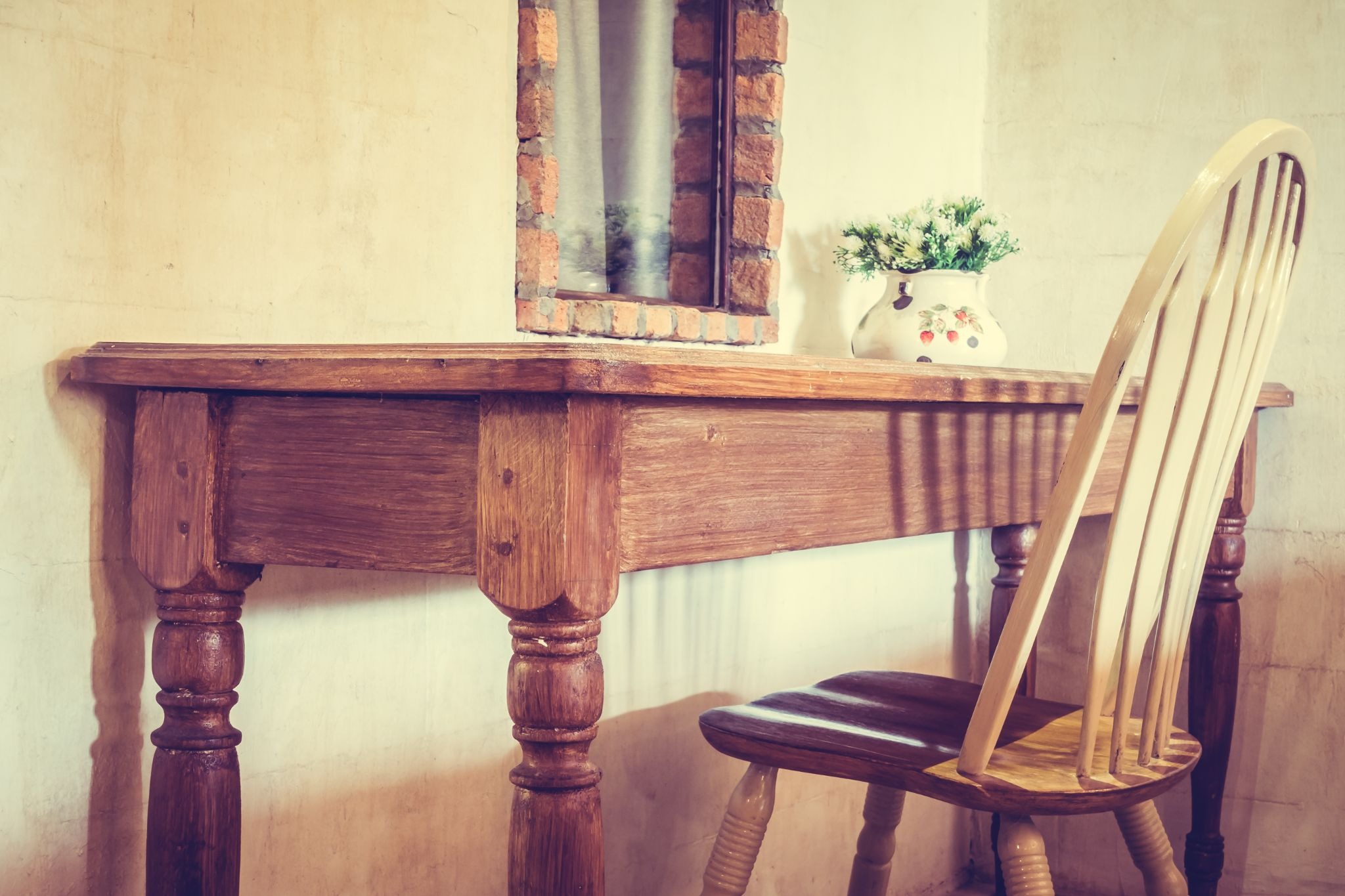
Old furniture does not always deserve a trip to the dump. That scratched cabinet or tired-looking table might still have plenty of life left in it. Sometimes, all it needs is a little cleaning, a small repair, or a few updated details.
Before spending money on something completely new, take a second look at what you already have. You may be surprised by how easily an old piece can fit into your home again.
Look At What You Have
Start by checking the furniture properly instead of judging it by its appearance. A table with scratches may still be strong and steady. An old cabinet might have a dated finish but perfectly good doors and shelves. Looks can be fixed much more easily than a broken frame.
Check for loose joints, cracks, damaged wood, or signs that the piece is no longer safe to use. If the structure is solid, there is usually a good reason to keep it. Think about where you could use it too. A small side table might work beside a bed, while an old chest could become useful storage.
Focus On Small Details
Sometimes, the smallest parts make the biggest visual difference. Handles, hinges, brackets, hooks, and other fittings can make old furniture look completely different without requiring a huge makeover. New handles can give a tired dresser a cleaner appearance.
Decorative brackets can add some personality to plain shelves, while sturdy hooks can make an old cabinet more useful. These changes are also practical because furniture should not just look nice. You should be able to open, close, hang, or move things without wrestling with them.
Shop Iron Hardware Online
If you want different options, you can shop iron hardware online and compare styles without visiting several stores. There are plenty of sizes, shapes, and finishes available, which makes it easier to find something that suits your furniture.
Before ordering, measure the existing holes and the space where the new fitting will go. A handle that looks perfect on your screen may be surprisingly huge in real life. Pay attention to the finish and mounting details so the hardware actually works with your furniture.
Match The Hardware
New hardware should look like it belongs on the furniture rather than looking like it wandered in from another room. Start by thinking about the furniture’s overall style. Rustic pieces usually suit simple, sturdy fittings, while cleaner designs can work well with less decorative hardware.
The finish matters too. Try to keep metal finishes reasonably consistent when several pieces are being updated together. Size is equally important. Tiny handles can disappear on a large cabinet, while oversized ones may make a small drawer look rather silly.
Give Furniture A Second Chance
Once the main changes are done, resist the temptation to keep adding things. Sometimes a good cleaning is all an old piece needs. Remove dust, clean the surfaces, tighten loose screws, and repair small damaged areas.
If the finish looks tired, repainting or refinishing can give the furniture another personality. Replace only the worn parts that actually need replacing. This keeps the project affordable and prevents useful furniture from becoming a complicated DIY experiment.