
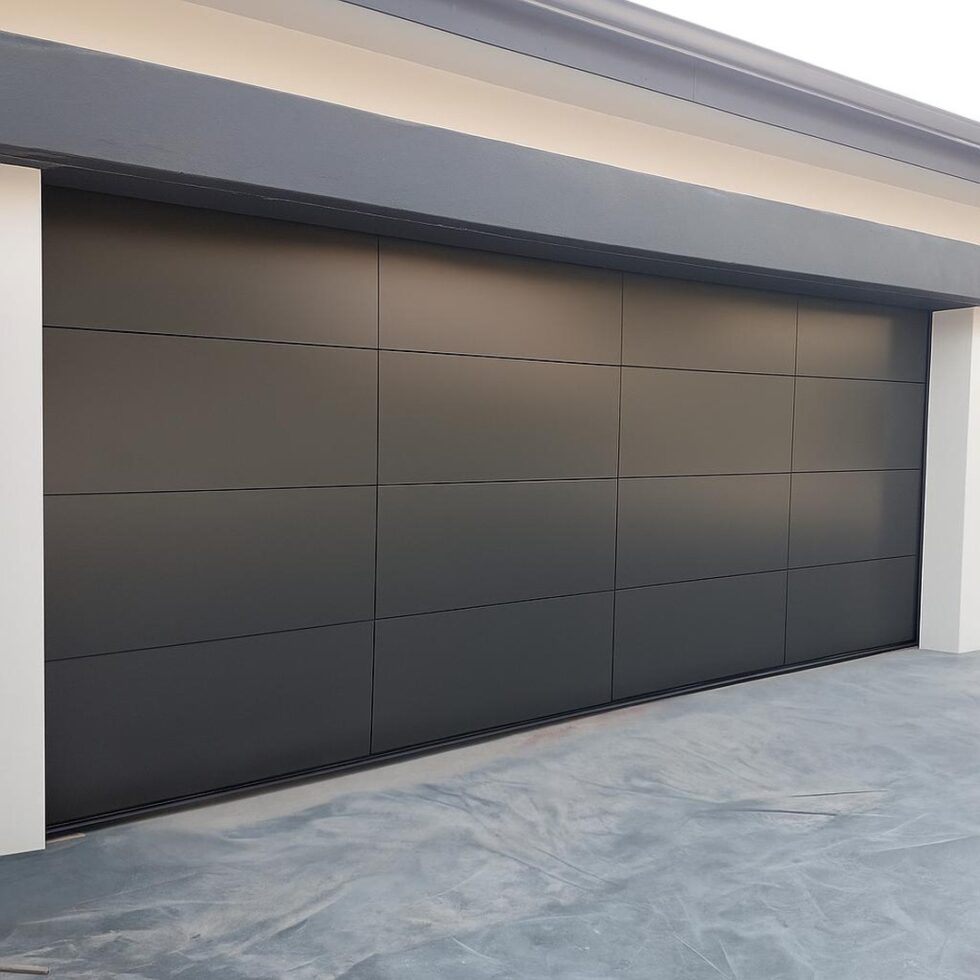
Climate controlled garage design is becoming a defining feature in modern residential architecture, especially as homeowners seek better protection for vehicles, equipment, tools, and multipurpose garage spaces. Extreme heat, humidity, and fluctuating weather conditions can significantly damage stored assets, making environmental regulation an essential part of long-term property planning. A well-executed climate controlled garage design improves durability, comfort, and usability while enhancing overall home value.
In today’s evolving housing landscape, garages are no longer just storage areas. They are workshops, fitness zones, hobby spaces, and even secondary living extensions. This shift makes climate control a critical design priority rather than an optional upgrade. Expert design solutions from Garaza Design focus on integrating performance-driven systems that ensure long-term environmental stability and architectural harmony.
Why Climate Controlled Garage Design Is Essential Today
Climate controlled garage design plays a vital role in protecting both structural materials and stored belongings. Without proper regulation, garages are exposed to temperature swings that can lead to corrosion, warping, mold growth, and electronic damage.
More importantly, garages often connect directly to the main home structure. Poor environmental control in this space can affect indoor air quality and energy efficiency throughout the entire property.
Key reasons this design approach matters include:
- Prevents rust and corrosion on vehicles and tools
- Reduces moisture buildup and mold formation
- Maintains stable temperature for sensitive equipment
- Improves air quality and ventilation flow
- Supports energy efficiency in adjacent living spaces
- Increases long-term property value
As environmental conditions become less predictable, investing in climate controlled garage design is increasingly seen as a practical necessity rather than a luxury feature.
Core Principles of Climate Controlled Garage Design
A successful climate controlled garage design relies on a combination of insulation, airflow regulation, temperature control systems, and moisture management strategies. Each component works together to maintain a stable and efficient environment.
High-Performance Insulation Systems
Insulation is the foundation of any climate controlled garage design. Without it, even the most advanced HVAC systems become inefficient.
Effective insulation includes:
- Spray foam insulation for airtight sealing
- Rigid foam boards for thermal resistance
- Insulated garage doors to reduce heat transfer
- Weather stripping around entry points
Proper insulation reduces energy consumption and stabilizes internal temperatures, especially in regions with extreme weather fluctuations.
Advanced HVAC Integration
Heating, ventilation, and air conditioning systems are essential for maintaining consistent conditions in a climate controlled garage design. These systems must be properly sized and strategically placed to ensure full coverage.
Important considerations include:
- Zoned HVAC systems for efficiency
- Ductless mini-split units for flexibility
- Smart thermostats for automated control
- Energy-efficient compressor systems
A properly integrated HVAC setup ensures that temperature remains stable regardless of external weather conditions.
Moisture and Humidity Control Systems
Humidity is one of the most damaging factors in garage environments. Excess moisture leads to rust, mold, and deterioration of stored materials.
A strong climate controlled garage design includes:
- Built-in dehumidifiers
- Vapor barriers under flooring and walls
- Sealed concrete or epoxy flooring
- Proper drainage systems
These systems help maintain a dry environment that protects both structural integrity and stored assets.
Ventilation and Airflow Management
Air circulation is equally important in climate controlled garage design. Without proper ventilation, fumes, moisture, and heat can accumulate, creating an unhealthy environment.
Key ventilation strategies include:
- Exhaust fans for air extraction
- Intake vents for fresh airflow
- Cross-ventilation design layouts
- Air filtration systems for pollutants
Balanced airflow ensures a safe and comfortable environment, especially for garages used as workshops or hobby spaces.
Smart Technology in Climate Controlled Garage Design
Modern climate controlled garage design increasingly incorporates smart systems that automate environmental control and improve efficiency.
Popular smart integrations include:
- Wi-Fi-enabled thermostats with remote access
- Humidity sensors linked to dehumidifiers
- Motion-activated ventilation systems
- Energy monitoring dashboards
- App-controlled HVAC systems
These technologies allow real-time adjustments based on environmental changes, reducing energy waste and improving user convenience.
Energy Efficiency and Sustainable Design Approaches
Sustainability is a major focus in modern climate controlled garage design. Energy-efficient systems not only reduce environmental impact but also lower long-term operating costs.
Key sustainability strategies include:
- LED lighting for reduced electricity consumption
- Solar panel integration for power support
- High-efficiency HVAC systems
- Reflective roofing materials to reduce heat absorption
- Energy recovery ventilation systems
These elements create a balance between performance and environmental responsibility.
Functional Design Based on Garage Usage
Climate controlled garage design must be customized based on how the space is used. Different functions require different environmental priorities.
Vehicle Storage Spaces
Luxury and classic vehicles require stable temperature and humidity levels to prevent paint damage, battery issues, and tire degradation. Climate control ensures long-term preservation.
Workshop and Creative Spaces
Workshops require consistent airflow and temperature control to ensure comfort and protect tools, electronics, and materials from environmental damage.
Multi-Purpose Garage Conversions
Many homeowners now convert garages into gyms, studios, or entertainment areas. These spaces require zoning systems to maintain different climate conditions within the same structure.
Common Mistakes in Climate Controlled Garage Design
Poor planning can reduce the effectiveness of even the most advanced systems. Avoiding these mistakes is essential for long-term success.
Frequent errors include:
- Inadequate insulation in garage doors
- Improper HVAC sizing
- Poor sealing around structural openings
- Lack of humidity control systems
- Ignoring airflow circulation needs
These issues often lead to energy inefficiency, discomfort, and long-term maintenance problems.
The Role of Professional Design Expertise
A well-executed climate controlled garage design requires coordination between architecture, engineering, and environmental systems. Professional expertise ensures that all components work together efficiently.
Garaza Design specializes in creating customized garage environments that integrate climate control systems with modern architectural design. Their approach focuses on precision planning, energy efficiency, and long-term durability.
Professional design also helps avoid costly installation errors and ensures compliance with modern building standards.
Future Trends in Climate Controlled Garage Design
The future of climate controlled garage design is driven by automation, sustainability, and smart integration. Emerging innovations are reshaping how garage environments function.
Key trends include:
- AI-powered climate optimization systems
- Fully integrated smart home ecosystems
- Modular garage structures for flexible layouts
- Advanced eco-friendly building materials
- Predictive maintenance sensors for HVAC systems
These advancements are transforming garages into intelligent, adaptive spaces that respond automatically to environmental and user needs.
Long-Term Benefits of Climate Controlled Garage Design
Investing in climate controlled garage design delivers long-term advantages beyond basic comfort and storage protection.
Major benefits include:
- Extended lifespan of vehicles and equipment
- Improved indoor air quality
- Higher property resale value
- Reduced maintenance costs
- Enhanced functional versatility
Over time, these advantages significantly outweigh the initial installation investment, making climate control a strategic home improvement decision.
Conclusion
Climate controlled garage design represents a forward-thinking approach to modern home development. It combines insulation, HVAC systems, moisture control, ventilation, and smart technology to create a stable and efficient environment. As garages continue to evolve into multifunctional spaces, environmental control becomes essential for both performance and protection.
With expert planning and execution from Garaza Design, homeowners can achieve garage spaces that are not only functional but also future-ready, energy-efficient, and built for long-term value.