

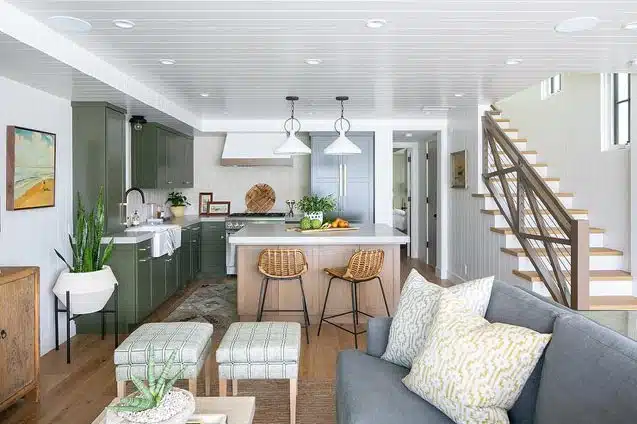
A fresh coat of paint can dramatically improve the appearance, comfort, and value of your home. Whether you’re updating your living spaces, refreshing your home’s exterior, or tackling both projects at once, careful planning is essential for achieving professional, long-lasting results. Without a clear plan, homeowners often face unexpected delays, budget overruns, and inconsistent finishes.
A successful painting project involves much more than selecting colors. Proper scheduling, surface preparation, material selection, and hiring experienced professionals all contribute to a smooth process and a beautiful outcome.
This guide will walk you through the key steps for planning both interior and exterior painting projects so you can protect your investment and enjoy results that last for years.
Evaluate the Condition of Your Home
Before choosing paint colors or requesting estimates, inspect your home carefully.
Look for peeling paint, cracks, water stains, damaged drywall, wood rot, mildew, or other signs of deterioration. Identifying these issues early allows repairs to be completed before painting begins.
A thorough inspection also helps contractors prepare more accurate project estimates.
Define Your Goals
Every painting project has a different purpose.
Some homeowners want to modernize outdated colors, while others focus on increasing property value before selling. You may simply want better protection against weather or a more inviting interior for your family.
Knowing your priorities makes it easier to choose the right products, colors, and schedule.
Set a Realistic Budget
Painting projects vary depending on the size of your home, the condition of existing surfaces, and the quality of materials selected.
Your budget should include:
- Surface preparation
- Minor repairs
- Primer and paint
- Labor
- Additional materials
- Unexpected repairs if needed
Planning for these expenses helps prevent surprises during the project.
Choose the Right Time of Year
Timing is especially important for exterior painting.
Dry weather, moderate temperatures, and low humidity provide the best conditions for proper paint adhesion and curing. Planning exterior work during favorable weather reduces delays and improves durability.
Interior painting offers more flexibility and can usually be completed throughout the year.
Select Colors Carefully
Color selection affects both appearance and atmosphere.
Interior colors should complement furniture, flooring, lighting, and architectural features. Exterior colors should coordinate with roofing, landscaping, neighboring homes, and your home’s overall design.
Testing paint samples in different lighting conditions helps homeowners make confident decisions.
Prioritize Necessary Repairs
Painting should never be used to hide underlying problems.
Repair damaged drywall, replace rotted wood, seal cracks, fix leaks, and address moisture issues before painting begins. Quality paint performs best when applied to stable, properly prepared surfaces.
Skipping repairs often leads to premature paint failure.
Understand Surface Preparation
Preparation is one of the most important phases of any painting project.
Interior preparation may include:
- Filling nail holes
- Repairing drywall
- Sanding rough surfaces
- Cleaning walls
- Applying primer
Exterior preparation often involves:
- Pressure washing
- Scraping peeling paint
- Sanding weathered areas
- Caulking gaps
- Repairing siding or trim
Proper preparation significantly extends the life of the finished paint job.
Decide Whether to Paint Everything at Once
Some homeowners choose to complete both interior and exterior painting during the same renovation project.
This approach creates a consistent overall appearance while allowing contractors to coordinate scheduling more efficiently. However, if your budget is limited, prioritizing the areas in greatest need may be the better option.
Discuss your goals with your contractor before making a final decision.
Hire Experienced Professionals
Choosing the right painting contractor is one of the most important decisions you’ll make.
Experienced professionals understand proper preparation methods, paint selection, weather conditions, and application techniques that produce long-lasting results. They also identify hidden issues before they become expensive problems.
Working with qualified painters often saves both time and money over the long term.
Prepare Your Home Before Work Begins
Proper preparation helps the project proceed smoothly.
Inside your home:
- Move furniture away from walls.
- Remove wall decorations.
- Protect valuables.
- Provide clear access to work areas.
Outside your home:
- Trim shrubs near walls.
- Move patio furniture.
- Protect landscaping.
- Ensure contractors have easy access around the property.
These simple steps improve efficiency and help protect your belongings.
Communicate Throughout the Project
Open communication prevents misunderstandings.
Discuss timelines, work hours, daily progress, paint products, cleanup procedures, and any unexpected discoveries with your contractor. Clear expectations help ensure the project stays on schedule and meets your goals.
Professional contractors value regular communication with homeowners.
The Benefits of Professional Interior Painting
A professionally painted interior creates a cleaner, brighter, and more comfortable living environment.
Experienced Interior Painters provide expert color recommendations, repair wall imperfections, protect furniture and flooring, and apply smooth, durable finishes that enhance every room. Their attention to detail results in walls that remain beautiful for years while reducing future maintenance needs.
Professional workmanship delivers a noticeable difference throughout your home’s interior.
Why Exterior Painting Deserves Equal Attention
Your home’s exterior constantly faces rain, snow, sunlight, wind, humidity, and seasonal temperature changes.
Scheduling professional Exterior Painting Woodbury services helps protect siding, trim, and other exterior surfaces from weather-related damage while improving curb appeal and preserving property value. Quality preparation and premium materials create a protective finish that extends the life of your home’s exterior.
Routine repainting remains one of the most valuable investments homeowners can make.
Planning an interior and exterior painting project requires careful preparation, realistic budgeting, thoughtful scheduling, and the right professional team. By addressing repairs early, selecting appropriate materials, and communicating clearly throughout the process, homeowners can achieve outstanding results that enhance both beauty and durability.
Whether you’re refreshing your living spaces, protecting your home’s exterior, or completing a full property makeover, proper planning ensures a smoother experience and a finished project you’ll enjoy for many years. Investing the time to prepare today leads to longer-lasting paint, fewer maintenance issues, and greater overall value for your home.